Coffee Tasting: A Guide to the Professionals’ Cupping Method
Do you want to learn to taste coffee like a roast master? Cupping is a standardized way to taste coffee that removes the effects of brewing methods (such as filter coffee or espresso) and lets the coffee’s own characteristics shine.
With this guide, you can organize your own coffee tasting session at home.
What do you need?
- Coffee beans: Choose 2–4 different coffees for comparison.
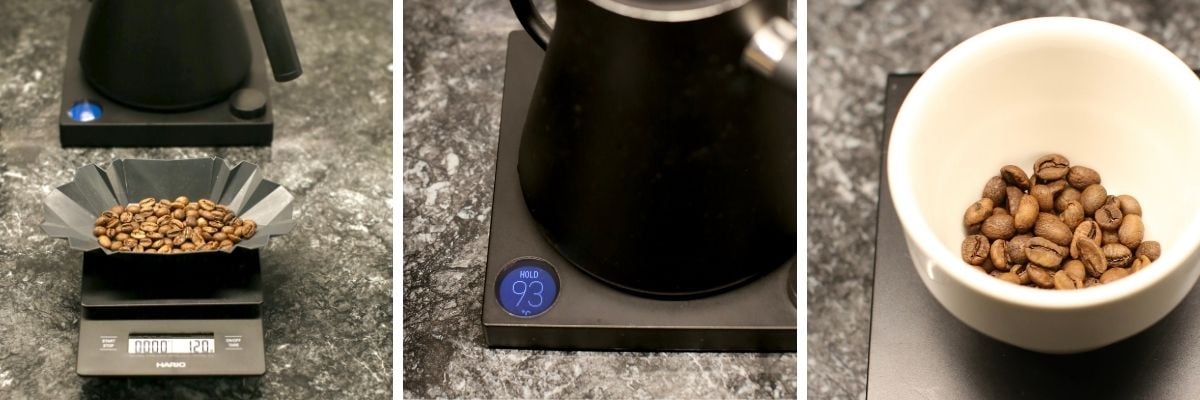
- A scale and grinder: Consistent grind quality is important.
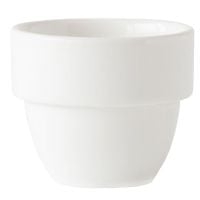
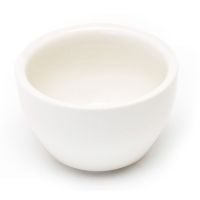
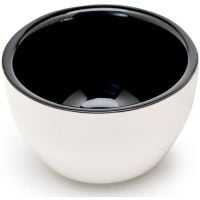
- Cups: Preferably identical, about 150–200 ml.
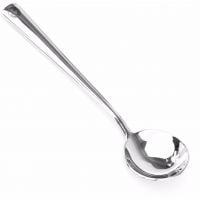
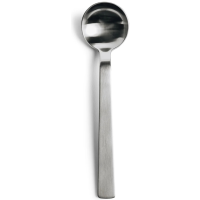
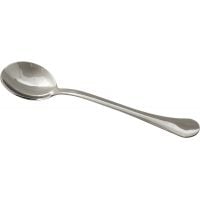
- Spoons: Stainless steel cupping spoons (or regular round tablespoons).
- Note-taking tools: Writing down sensory impressions helps you learn.

The cupping formula: 5 steps
Professionals always follow this order to ensure a fair comparison:
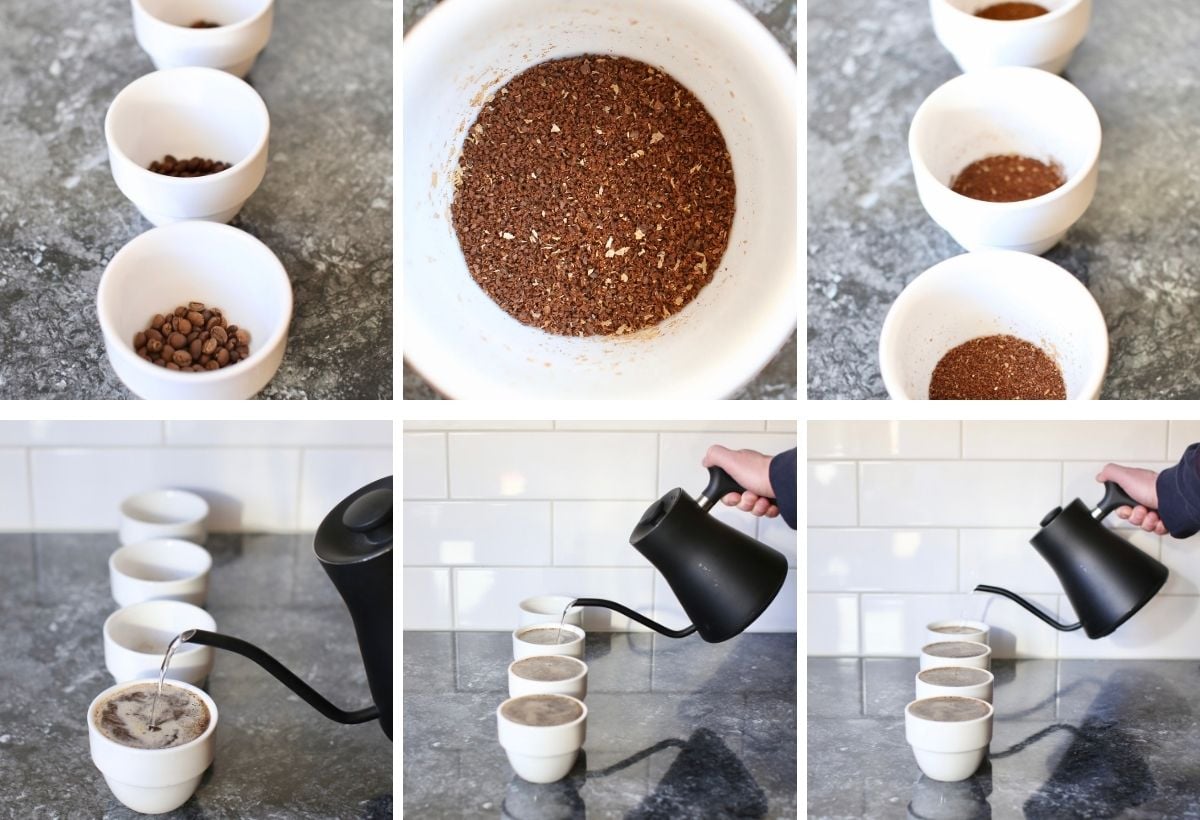
Aroma (Dry Aroma): Smell the dry ground coffee. What aromas do you find? (E.g. chocolate, nuts, berry notes).
The Pour: Add hot water to the cup (approx. 92–94 °C). Do not stir. Let it steep for 4 minutes.
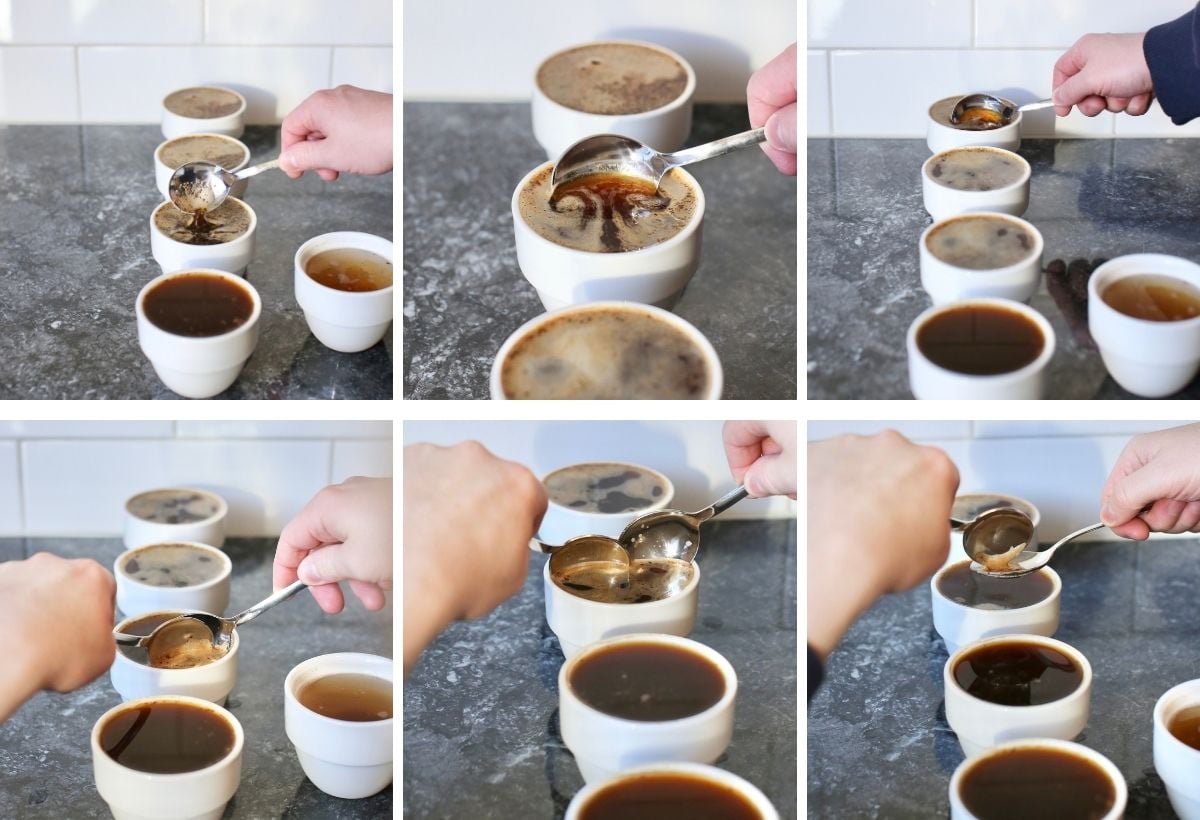
The Break: A "crust" will form on the surface. Break it three times with a spoon by slowly pushing it away from yourself. At the same time, smell the rising steam intensely – this is the most important aroma phase of the coffee!
Cleaning: Remove the floating foam and coffee grounds from the surface with a spoon.
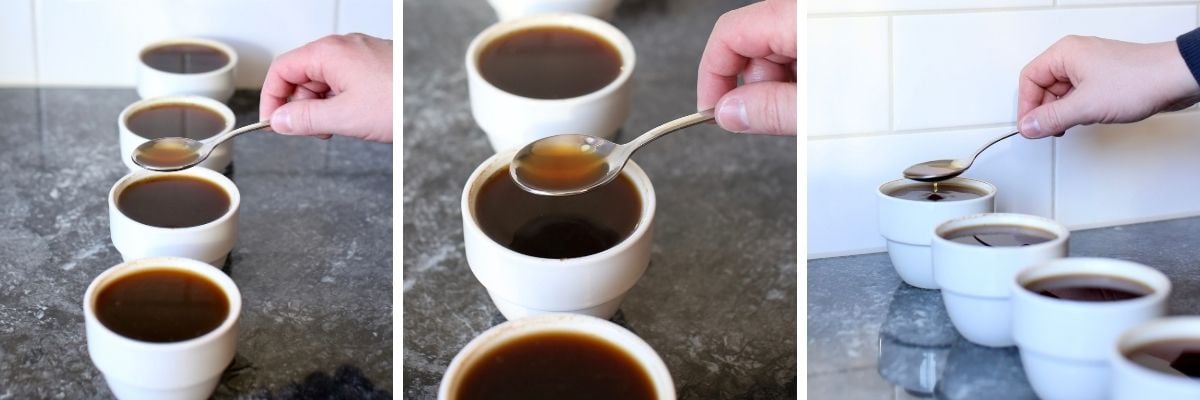
Tasting (Slurping): Wait a few minutes for the coffee to cool. Take some coffee into the spoon and slurp it loudly. Slurping spreads the coffee across your palate, allowing the aromas and flavors to open up in the best possible way.
What to look for when tasting?
When comparing coffees, focus on these four factors:
Aromas: What comes to mind? Fruits, flowers, spices, or perhaps toasted sugar?
Acidity: Is the coffee bright like lemon or soft like apple? Acidity is a sign of quality coffee.
Body: How does the coffee feel in the mouth? Like water, milk, or perhaps cream?
Aftertaste: How long does the flavor linger in the mouth after tasting?
Tip: Turn it into a game!
Tasting is more fun together. Organize a blind test: number the cups on the bottom and try to guess which bean it is. As you learn to recognize differences between different roast levels or countries of origin, you’ll notice how your own sense of taste develops.

Saving favorites requires functional cookies.
Sign in to save your favorites in your account.
Cookie settings Sign in